
What Is a Section 19 Minibus Permit?
A Section 19 permit is an authorisation issued by the DVSA that allows non-profit organisations to operate a minibus and charge passengers to cover running costs, without needing a full Public Service Vehicle (PSV) operator licence. It is named after Section 19 of the Transport Act 1985.
Without a Section 19 permit, any organisation that charges passengers for minibus transport is technically operating a PSV service and would need a full PSV operator licence — a significantly more complex and expensive requirement. The Section 19 permit is specifically designed to make it practical for charities, schools, churches, sports clubs, and community groups to run minibus services for their members.
Who Can Apply for a Section 19 Permit?
According to GOV.UK guidance, a Section 19 permit is available to voluntary organisations that benefit the community, including:
- Schools and educational establishments
- Charities and charitable organisations
- Religious organisations (churches, mosques, temples, synagogues)
- Sports clubs and leisure organisations
- Scout groups, Guide groups, and youth organisations
- Community transport groups
- Care organisations and social groups
The organisation must be non-profit-making and the transport service must be available only to members of that organisation — not to the general public.
What Are the Conditions of a Section 19 Permit?
| Condition | Requirement |
|---|---|
| Vehicle size | Between 9 and 16 passenger seats (excluding driver) |
| Organisation type | Voluntary, non-profit, community benefit |
| Passengers | Members of the organisation only (not general public) |
| Charges | Only to cover running costs — not for profit |
| Driver age | Must be 21 or older |
| Driver licence | Must hold appropriate licence for the vehicle |
What Is the Difference Between Section 19 and Section 22?
Section 22 permits are similar to Section 19 permits but apply to community bus services — that is, services open to the general public in a defined area. Section 19 permits are for member-only transport. Most schools, charities, and sports clubs will need a Section 19 permit rather than a Section 22 permit.
Does a Section 19 Permit Replace the Need for a D1 Licence?
No. A Section 19 permit authorises the organisation to operate the minibus service; it does not change the licence requirements for the driver. The driver must still hold an appropriate driving licence for the vehicle. In most cases, this means the driver must either hold a full D1 licence or meet the conditions for driving on a car licence (voluntary basis, no hire or reward, under 3,500 kg MAM).
Where an organisation holds a Section 19 permit and charges passengers, the driving is technically for hire or reward — which means the driver should hold a full D1 licence. However, the DVSA's guidance acknowledges that the situation is complex for voluntary organisations, and many community transport operators use D1(101) holders or full D1 licence holders depending on their specific circumstances. If you are unsure, seek advice from the DVSA or a specialist transport solicitor.
How to Apply for a Section 19 Permit
Applications for Section 19 permits are made to the DVSA. The process involves:
- Completing the relevant application form (available from the DVSA website).
- Providing evidence of the organisation's charitable or non-profit status.
- Paying the application fee.
- Ensuring the vehicle meets the required safety standards.
Permits are typically issued for a period of five years and must be renewed. The vehicle must also undergo regular safety inspections — the frequency depends on the vehicle's age and usage.
Section 19 Permit and Driver Training
Holding a Section 19 permit does not require drivers to hold any specific qualification beyond their driving licence, but many organisations require drivers to complete a formal minibus driver assessment such as MiDAS (Minibus Driver Awareness Scheme). This is strongly recommended for all minibus drivers, regardless of whether a permit is held, as it provides evidence of driver competence and can protect the organisation in the event of an accident.
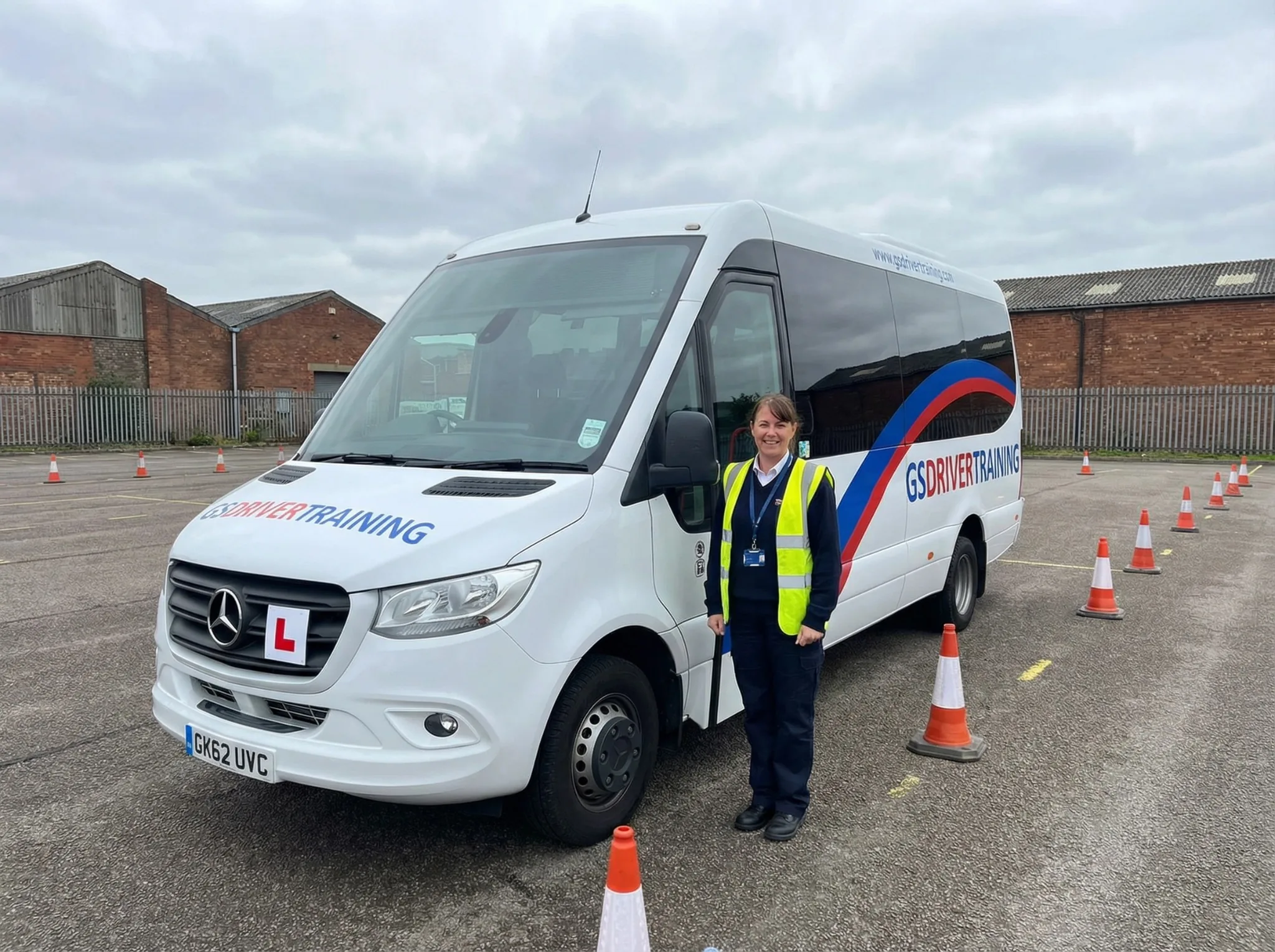
GS Driver Training offers minibus driver training and assessments for organisations in Surrey and the South East, including schools, charities, churches, and sports clubs. See: Minibus Training for Charities, Churches and Sports Clubs.
Frequently Asked Questions
Does a school always need a Section 19 permit?
Only if the school charges parents or pupils for transport. If all journeys are free to passengers, a Section 19 permit is not required. See: Can Teachers Drive a School Minibus?
How much does a Section 19 permit cost?
The DVSA charges a fee for Section 19 permit applications. The current fee is available on the DVSA website. Permits are valid for five years.
Can a charity use a Section 19 permit to transport members of the public?
No. Section 19 permits are for member-only transport. If you want to provide transport to the general public, you would need a Section 22 permit or a full PSV operator licence.
