
How to Get Your Car Driving Licence (Category B) in the UK
Obtaining your car driving licence, officially known as a Category B licence, is a significant milestone for many in the UK. It grants you the freedom to drive a standard passenger vehicle, opening up opportunities for personal independence, professional growth, and everyday convenience. At GS Driver Training, while we are renowned for our HGV, LGV, and CPC training, we understand the foundational importance of the car driving licence. This comprehensive guide will walk you through every step of the process, from applying for your provisional licence to passing your practical test.
Understanding the Category B Car Driving Licence
A Category B driving licence permits you to drive vehicles with a maximum authorised mass (MAM) of no more than 3,500 kg, with seating for up to eight passengers plus the driver. This covers most cars, vans, and even some smaller motorhomes. If you passed your test before 1 January 1997, you might have additional entitlements, such as driving a vehicle and trailer combination up to 8,250 kg MAM.
Step 1: Meeting the Eligibility Criteria
Before you can even think about getting behind the wheel, you need to meet certain requirements:
- Age: You must be at least 17 years old to drive a car on public roads. If you receive the higher rate of the mobility component of Personal Independence Payment (PIP), you can start driving at 16.
- Eyesight: You must be able to read a modern number plate from 20 metres away (with glasses or contact lenses if necessary).
- Residency: You must be a resident of Great Britain (England, Scotland, and Wales).
Step 2: Applying for Your Provisional Driving Licence
Your journey begins with a provisional driving licence. This allows you to learn to drive under supervision. You can apply for your provisional licence online via the GOV.UK website or by completing a D1 application form from the Post Office. You'll need to provide proof of identity, your address history for the last three years, and your National Insurance number. The cost for a provisional licence is currently £34 online or £43 by post.
Step 3: Passing the Car Theory Test
The theory test is a crucial hurdle that assesses your knowledge of road safety, traffic signs, and the Highway Code. It consists of two parts:
- Multiple-Choice Questions: 50 questions in 57 minutes, requiring you to answer at least 43 correctly.
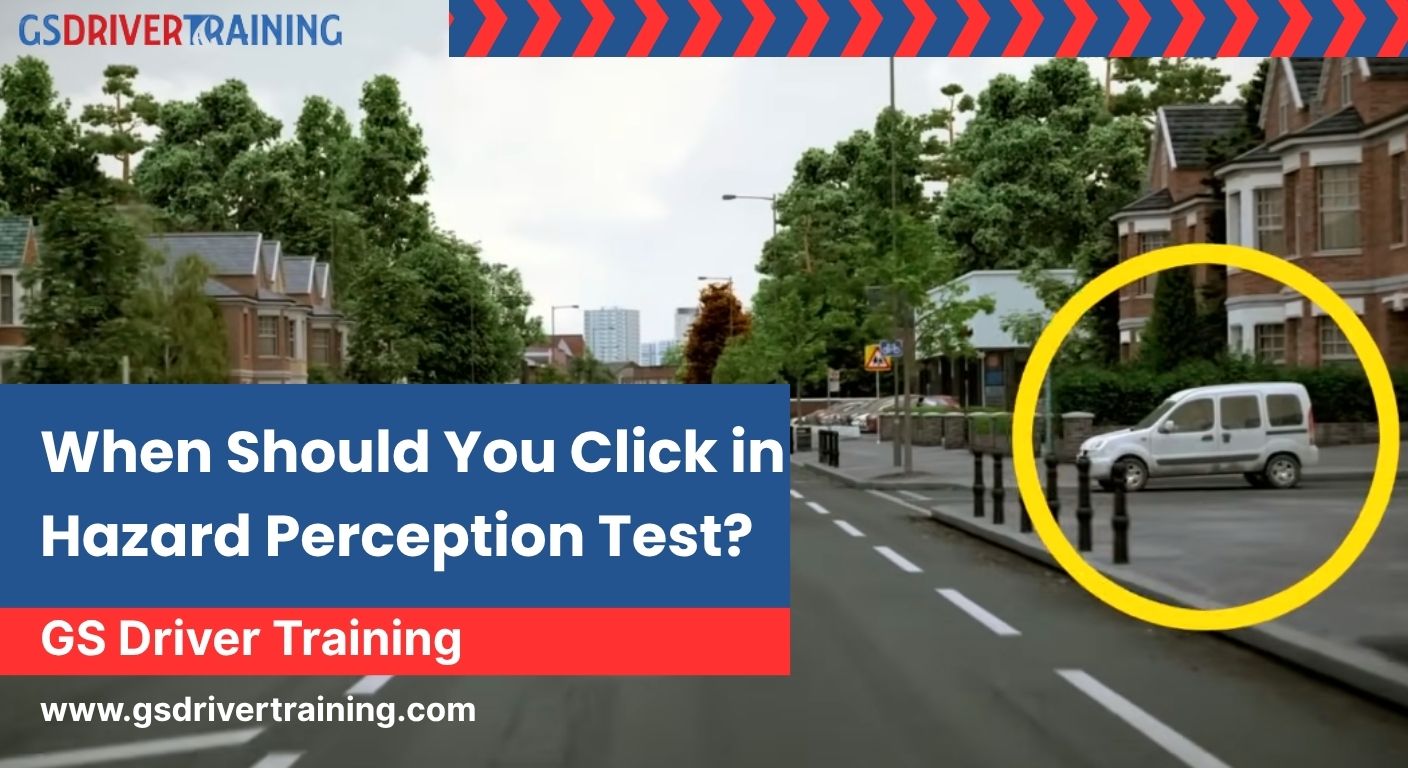
- Hazard Perception Test: 14 video clips featuring everyday road scenes, where you need to identify developing hazards. You'll need to score at least 44 out of 75.
The car theory test costs £23. We recommend thorough preparation using official DVSA learning materials. While GS Driver Training specialises in HGV theory test preparation, the principles of road safety and hazard perception are universal.
Step 4: Practical Driving Lessons
Once you have your provisional licence and have passed your theory test, it's time to get practical experience. You must be supervised by someone who is at least 21 years old and has held a full driving licence for at least three years. Most learners opt for professional driving instructors, who can provide structured lessons and prepare you for the practical test. The number of lessons required varies greatly from person to person.
Step 5: The Car Practical Driving Test
The practical driving test assesses your ability to drive safely and competently in various road conditions. It typically lasts around 40 minutes and includes:
- An eyesight check.
- "Show me, tell me" vehicle safety questions.
- General driving ability, including following directions from a sat nav or road signs.
- One of four possible reversing manoeuvres.
- Independent driving for about 20 minutes.
You can book your practical test online. The cost is £62 on a weekday and £75 on an evening/weekend. To pass, you must make no more than 15 minor driving faults and no serious or dangerous faults.
Benefits of Having a Car Driving Licence
A car driving licence offers numerous advantages:
- Personal Freedom: The ability to travel independently, without relying on public transport or others.
- Career Opportunities: Many jobs require a driving licence, from sales roles to delivery drivers. Even if not directly required, it can be a significant advantage.
- Convenience: Easier commutes, grocery shopping, visiting friends and family, and handling emergencies.
- Family Life: Essential for parents, enabling school runs, family outings, and managing daily logistics.
What if I want to drive larger vehicles later?
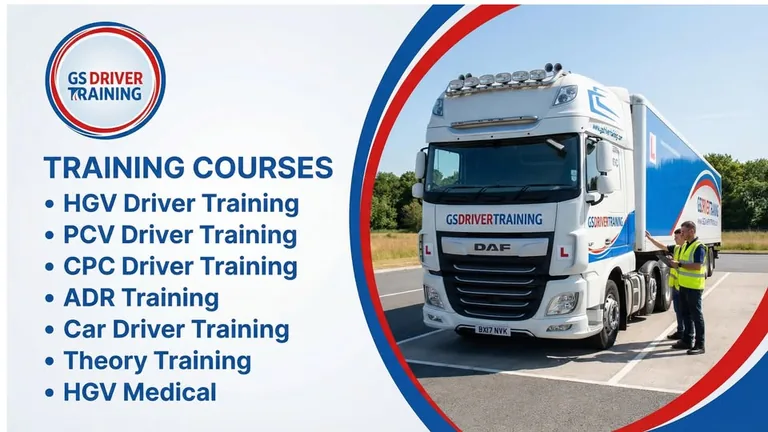
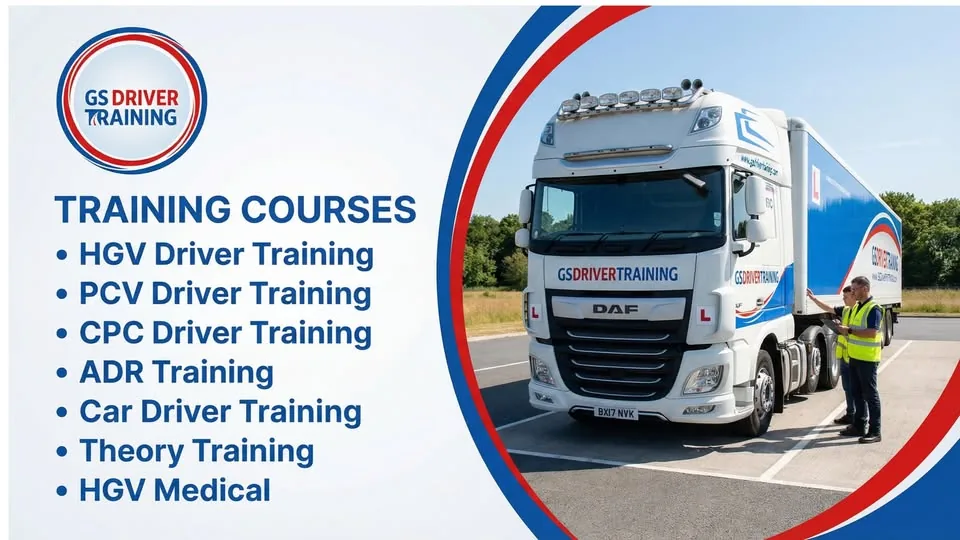
Your car driving licence is the first step. If you're considering a career in logistics or transport, GS Driver Training offers a wide range of courses, including HGV Class 2 (Cat C) training and HGV Class 1 (Cat C+E) training. We also provide Driver CPC periodic training and specialist courses like ADR dangerous goods training. Our expert instructors and state-of-the-art facilities at Dunsfold Aerodrome ensure you receive the best possible training.
Frequently Asked Questions (FAQ)
Q: How much does it cost to get a car driving licence in total?
A: The total cost varies depending on how many lessons you need. However, fixed costs include the provisional licence (£34-£43), theory test (£23), and practical test (£62-£75). Driving lessons typically range from £25-£40 per hour.
Q: How long does it take to get a car driving licence?
A: This also varies. Some people pass within a few months, while others may take over a year. Factors include how quickly you learn, how often you have lessons, and waiting times for tests.
Q: Can I drive an automatic car with a manual licence?
A: Yes, if you pass your practical test in a manual car, your licence will allow you to drive both manual and automatic vehicles. If you pass in an automatic car, you will only be licenced to drive automatics.
Q: What is the D4 medical and do I need it for a car licence?
A: The D4 medical is a comprehensive medical examination required for certain driving categories, primarily HGV, LGV, and PCV licences. It typically costs between £50–£120. You do not need a D4 medical to obtain a standard car (Category B) driving licence, unless you have specific medical conditions that require DVLA notification.
Q: What happens if I fail my practical driving test?
A: If you fail, you'll receive a feedback sheet from the examiner detailing your faults. You must wait at least 10 working days before you can retake the test. It's advisable to take more lessons to address the areas where you struggled.
Ready to start your driving journey or looking to upgrade your skills? Explore our range of training courses or contact us today at 01252 447808 to discuss your needs. GS Driver Training has been voted Best HGV Training Company for 7 consecutive years, and we're here to help you achieve your driving ambitions.

![What Can I Tow with My Licence? VOSA Trailer Towing Laws UK [2026]](https://d2xsxph8kpxj0f.cloudfront.net/310519663382350818/AfEWB55G85nx2YWKzrhkdE/towing-blog-hero-v2_69a6306d.jpg)